There is no shortage of education and knowledge in South Africa. However, there is a shortage of quality leadership thought and action to turn education and knowledge into value. This library aims to be a source of wisdom on how great leaders think about governance, risk, ethics, compliance, and sustainability matters, and how they facilitate better outcomes in their sphere of influence. Links to reliable technical resources are provided.
LEADERSHIP

Review by Christelle Marais
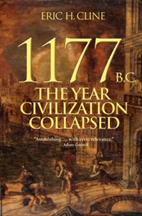
This in-depth analysis of how the largest economies of 4 000 years ago operated provides insights into how we operate today. "Generally, the rulers of the core...powers treat the symptoms rather than the causes of instability...the violent destruction of...civilizations... was...the inevitable result of limited foresight. We are...more susceptible than we...think. We should be thankful that we are...advanced enough...to fix things, rather than simply passively accept things as they occur."

Review by Christelle Marais
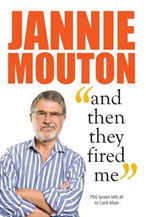
From someone who was successful, lost everything, and became even more successful, we learn of the importance of leadership. "Three questions kept me busy for a long time: How does one make a company grow? When are people happy? What's the key to [the] success of a company? The answer is ultimate empowerment. People who are well read, have well considered opinions, are honest, can communicate, can stick it out, are self-confident, care for people, ...and can think, are the best."

Review by Ruzelle Swanepoel
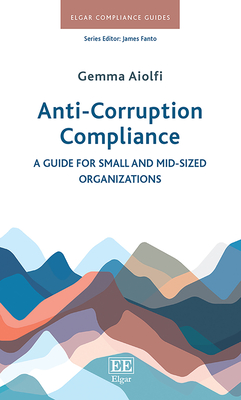
A practical guide for small, medium, and micro enterprises or non-profit entities to manage bribery and corruption risks. The central purpose of the book is to help resource-constrained organisations build anti-corruption systems that are realistic, risk-based, and practically embedded in their daily business activities. "Clean business is good business... there is no bright line between a bribe and a facilitation payment." Risk assessment is the basis for a robust anti-corruption compliance program.
Review by Christelle Marais
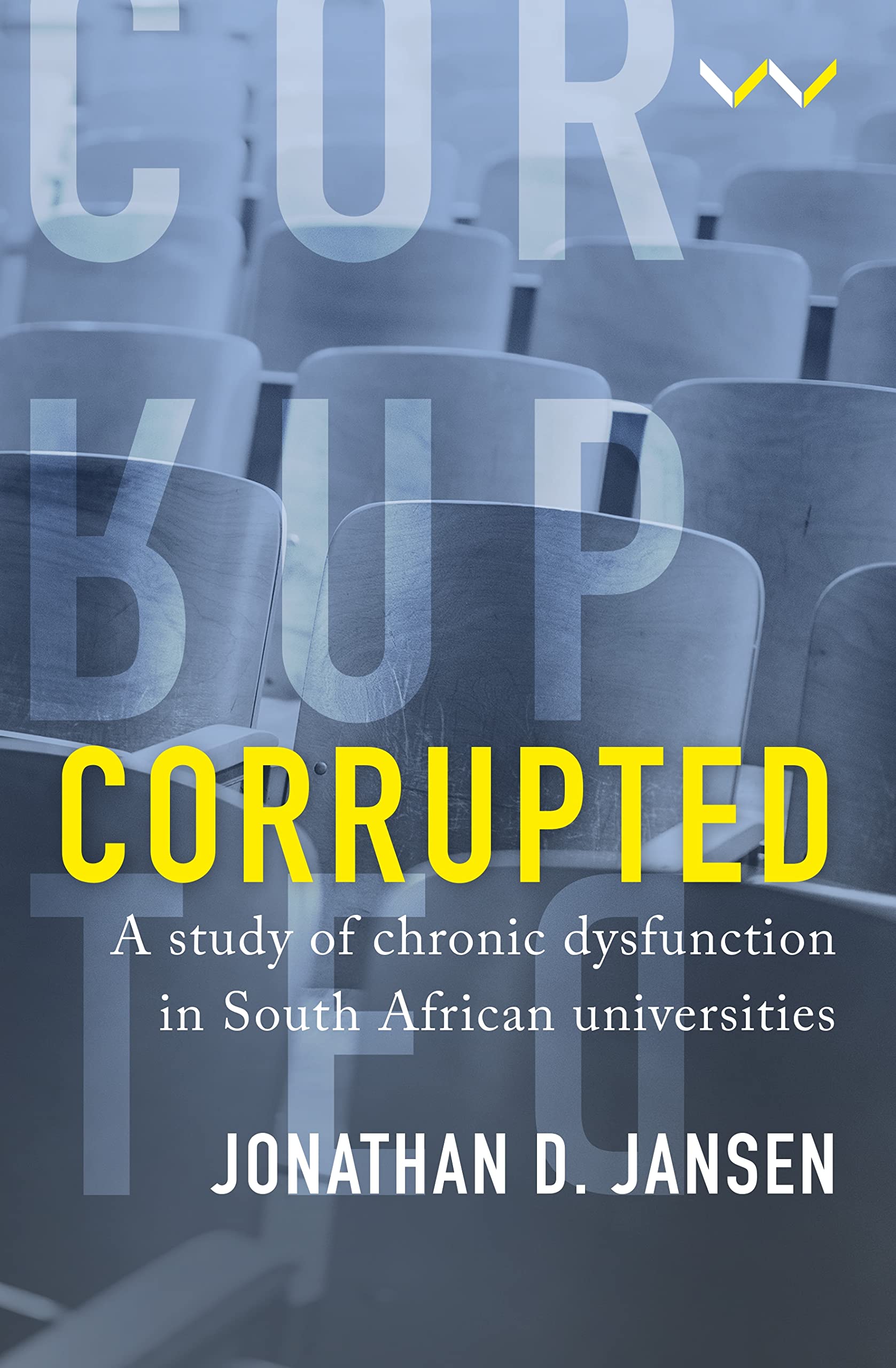
Corrupted explains why several South African universities became chronically dysfunctional while others recovered. Jansen shows how concentrated budgets and resources draw in corrupt council members, staff, taxi associations, and financial-aid fraudsters, usually enabled by one cooperative insider with legitimate system access. "At the heart of the problem lies the vexed issue of resources or, more pertinently, the relationship between resources and power: who gets what and why?"

Review by Christele Marais
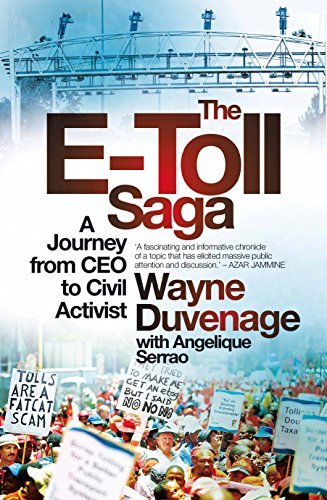
Wayne Duvenage tells how he left a corporate CEO career to lead OUTA against Gauteng's e-tolling scheme, mobilising public support to challenge the state and SANRAL in court. "I knew that if you allow the fear of all the things that can go wrong to get to you, then your opponents win." "If no one had taken up the challenge against apartheid, we would still be living with an evil system." This book does more than describe one man's inspiring personal story; it teaches us how to achieve transformation legitimately.
Review by Christelle Marais

The essence of taking an individual and collective stance against wrongdoing, is understanding the risk to the most vulnerable in society when democracy fails. "South Africa's relatively sophisticated banking system but poor policing makes it an ideal centre for criminal activities." Good intent is not enough when dealing with other people's money and future. Professional cynicism together with a resolute commitment to doing what is right, is nonnegotiable to preserve the rule of law and democracy.
Review by Christelle Marais
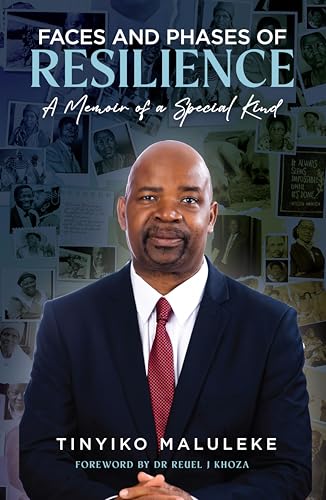
Part autobiography, part tribute, part social critique, Prof Maluleke describes his boyhood, his rise through academia and the profiles of inspirational figures, from Mandela to Tutu to lesser known 'ordinary heroes'. The role of these ordinary heroes is the real message behind this book: South Africa's future depends on each individual understanding their role as a hero, to counter decline and secure our democracy. "We are at risk of becoming a people without a plan, organising vision or cohering principle and a uniting ideal."
Review by Christelle Marais
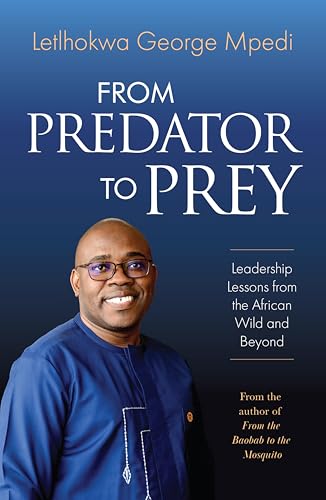
Leadership lessons from nature, including lionesses' silent cooperation during hunts, elephant matriarchal structures, and wild dogs' territorial instincts, challenge conventional top-down leadership models. The author argues nature balances hierarchy with collective decision-making, offering an ubuntu leadership alternative grounded in interdependence rather than individual control. "Practice noticing when urgency is real and when...imagined. If you stopped seeing yourself as prey, what kind of leader would you dare to become?"
Review by Christelle Marais
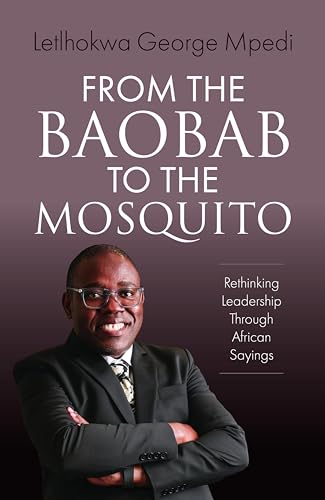
The author challenges Africa's 'Africa Rising' narrative by examining how colonial legacies still undermine leadership across the continent. He turns to African proverb and indigenous practices to build a leadership model rooted in collaboration and collective decision-making rather than individual achievement. He argues that African leadership means relationship-building and community contribution and not top-down authority. The key message is that legitimacy and effectiveness follow from cultural rootedness, not imported hierarchies.
Review by Christelle Marais

Most striking, is the many warnings about what was happening in the Free State, such as Patrick Lekota, who's concerns were ignored or purposely thwarted; the Goldhawk Report, with scathing findings on irregular loans; the Auditor-General, with reports on the lack of financial controls and disregard for legislative compliance; Beatrice Maarshoff, trying to appoint competent MECs, but instructed to appoint Ace Magashule; and Noby Ngombane, whose efforts to implement oversight of municipalities cost him his life.
Review by Christelle Marais
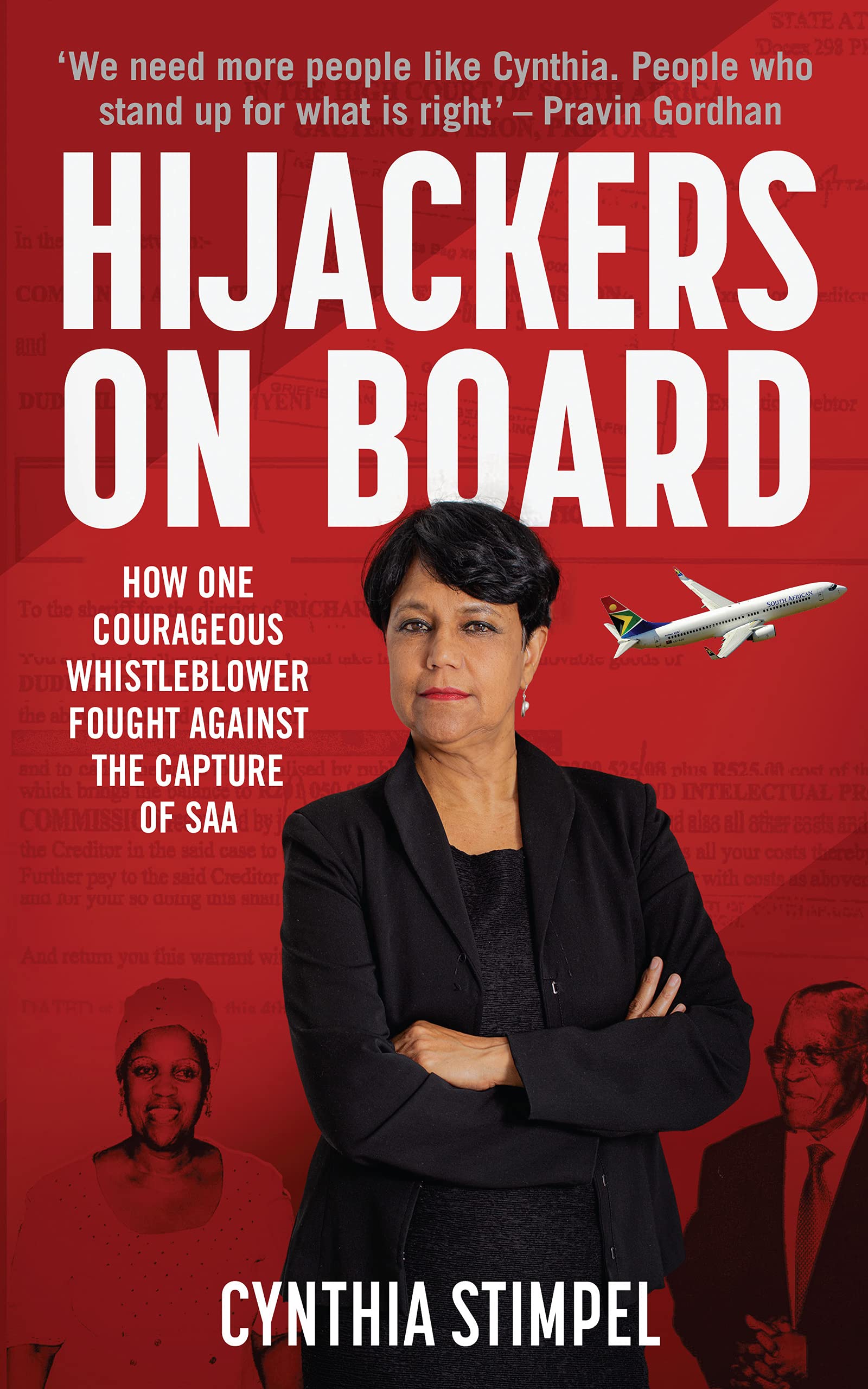
This is Cynthia Stimpel's story in her own words: telling how she, as South African Airways' Group Treasurer, blew the whistle on an irregular R256 million deal signed against her orders while she was abroad in 2014. She documents how altered minutes, withheld signatures, and bid irregularities overrode board governance. "Whistle-blowers like Ms Stimpel are the final defense against corruption and state capture taking hold in State Owned Entities." ~ Chief Justice Raymond Zondo, State Capture Report

Review by Nilesh Makan
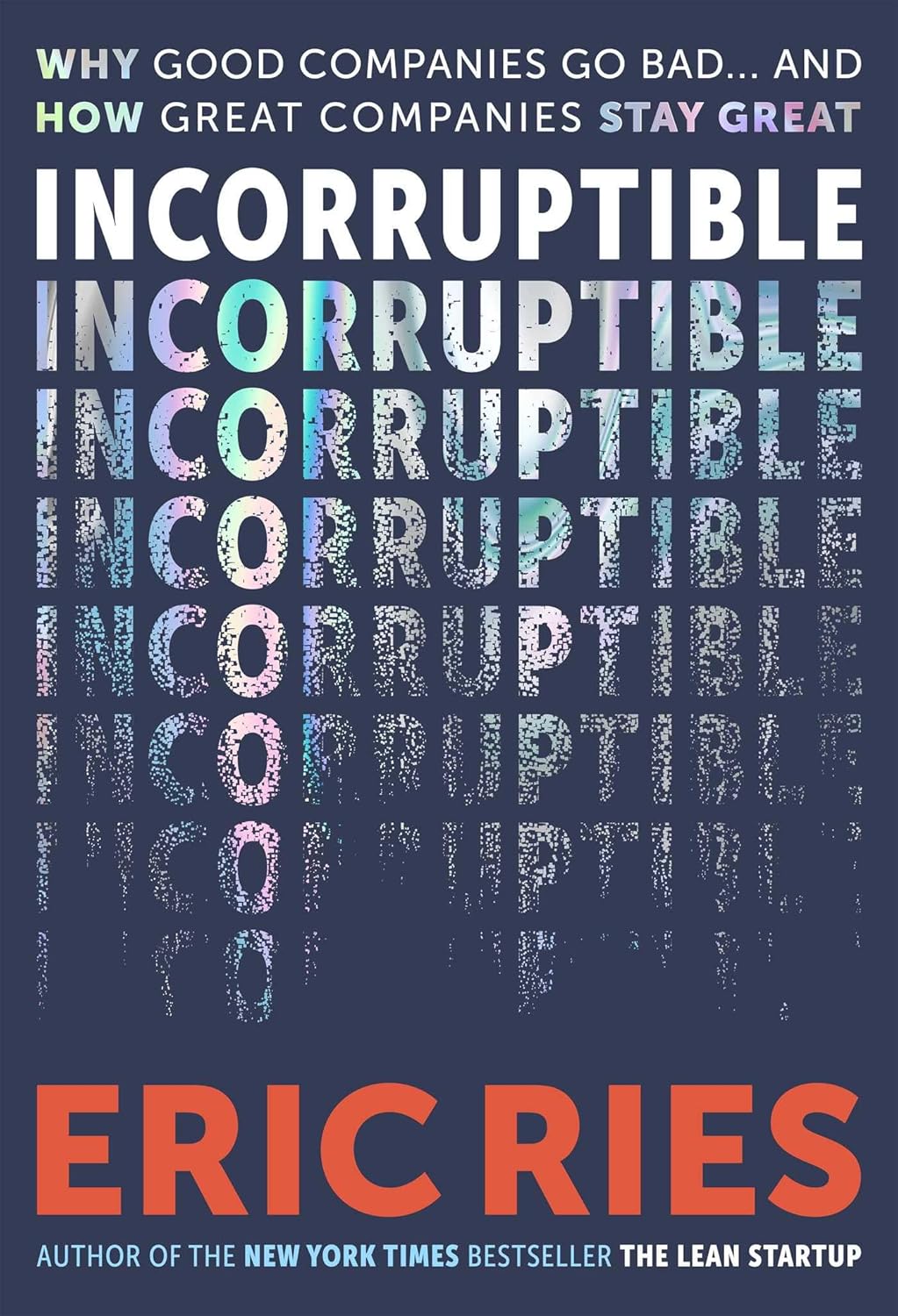
For anyone who has grappled with the tension between doing good versus focusing on profit, or short-term gains over long-term sustainability, this book provides the moral compass and tools to enable leaders to architect a morally defensible future. "It is time to recognize that operations and governance are two sides of the same coin. Builders create the value that governance is meant to protect." There is overwhelming evidence that mission-led companies outperform conventional competitors and achieve better long-term results.
Review by Christelle Marais
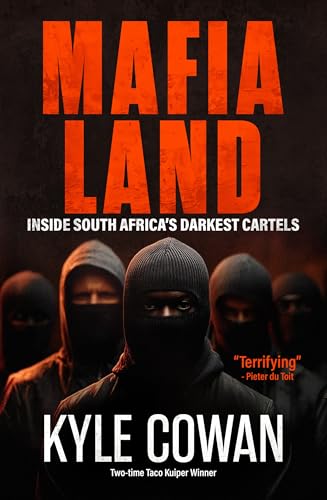
This account of how organised crime has fused with the South African state is told through twelve criminal 'mafias' operating inside public institutions. "Behind the facade of South Africa lies a brutal shadow-world ruled by mafias, cartels, and crime syndicates locked in a ruthless war over Sout Africa's riches." The key take away is that organised crime is not only an external threat to be screened out through ordinary due diligence; it is often already inside the law enforcement structures organisations depend on for protection.

Review by Peter Zonneveld
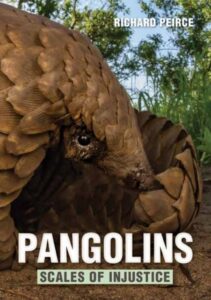
A striking investigation that exposed the realities of the illegal trade in the world's most trafficked mammal. The book reveals complex networks of wildlife crime syndicates, risks related to poaching and wildlife trafficking, broader consequences for biodiversity and global health, ethical dilemmas, governance challenges, and compliance challenges. "It is stunningly irresponsible that, with over 100 years of evidence that animals can be vectors of viruses deadly to humans" this trade still continue unabated and largely unaddressed.

Review by Ravi Naicker
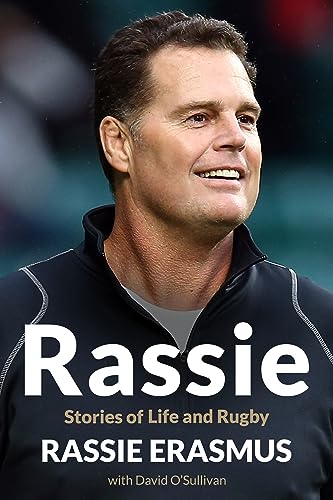
The narrative follow Erasmus' journey from a difficult childhood in Despatch to becoming the strategic architect of South Africa's 2019 Rugby World Cup victory. His life story reveals how hardship, curiosity, and relentless innovation shaped a leader who consistently challenged convention and reshaped South African rugby and national culture. In the words of his assistant coach: "He predicted the All Blacks Springboks game outcome: 'The final score will be 31-22 to New Zealand, and after this you can call me Nostradamus'.".
Review by Peter Zonneveld
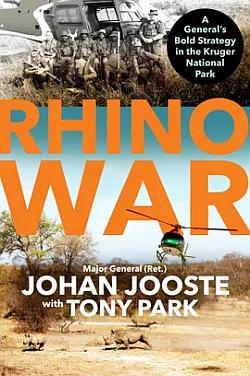
A compelling narrative that delves into how criminal syndicates take advantage of weak institutions, political meddling, and corruption - to create an unstable system in which conservation efforts inevitably fail. The larger socio-economic and security challenges that drive the poaching crisis necessitates structural reform to address systemic failures. "One thing was clear: I needed to act decisively and swiftly and...the courage to take calculated risks. While I needed more information, there was no time for 'analysis paralysis'."
Review by Christelle Marais
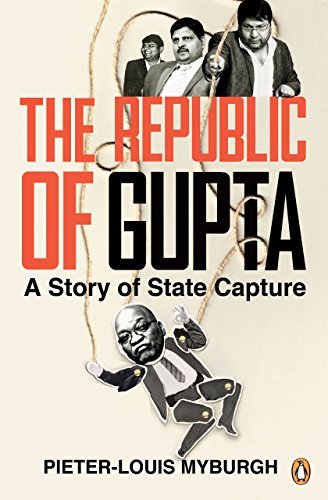
The author traces the Gupta family's rise from a small IT business into South Africa's most politically powerful dynasty, entwined with Jacob Zuma from the 1990s. Myburgh documents their reach into Transnet, Eskom, PRASA SAA and others, building toward the Waterkloof jet landing and Thuli Mandonsela's State of Capture Report. "Atul said that when this guy eventually becomes president, their ship was going to come in big time." Capture is not announced at transaction level. It arrives much earlier, through control over who gets appointed to the highest decision-making seat.

Review by Taka Sande
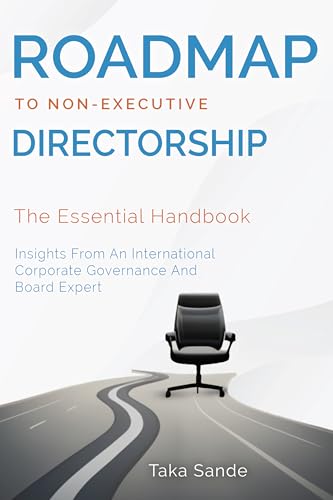
An empowering reflection on the corporate governance shifts for organisations and aspiring leaders (specifically Non-Executive Directors) post the COVID-19 pandemic to encourage confident, resilient, and impactful leadership in boardrooms. Following the pandemic, significant transformations unfolded, prompting a profound reassessment of governance norms to deal with economic unpredictability, ESG considerations, digital integration, and cyber threats (amongst others). "Good corporate governance is essential for long-term success and sustainability."
Review by Christelle Marais
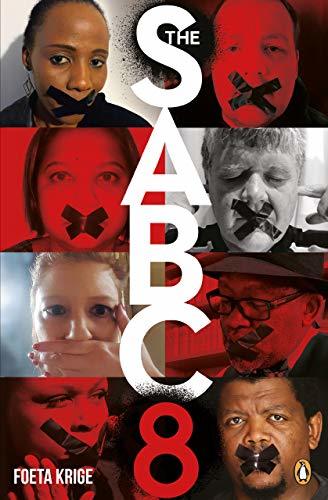
An account of how eight journalists at the public broadcaster, brought together by coincidence, joined forces to fight censorship, including a blanket ban on broadcasting footage of violent service-delivery protests. Their public stand earned them an award for courageous journalism but also covers the personal price each one paid privately. "...we will double what sabc8 backers are paying advice them to drop the case friday or the girl dies." Death threats, break-ins, shot at, brake sensors cut on a vehicle and a stress-induced heart attack as the ultimate price.

Review by Annalie Smith
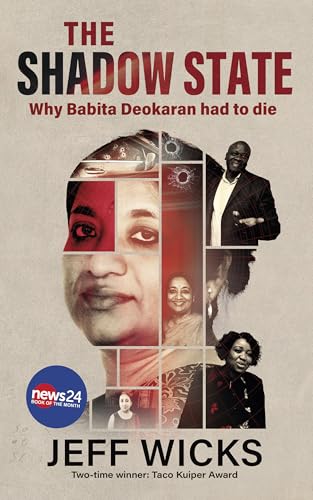
What started as a news story and a promise to Babita's brother eventually exposed a complex web of transactions and the inner workings of procurement corruption on a national level. When the State is captured, the tone is set at the top. Internal controls, audit reports, automation, and good processes remain ineffective until the players are brought to justice from the top down. The Shadow State's deliberate lack of appetite for automation facilitates the extortion of a predominantly paper-based procurement system - and a vested interest in keeping it that way.
Review by Ravi Naicker
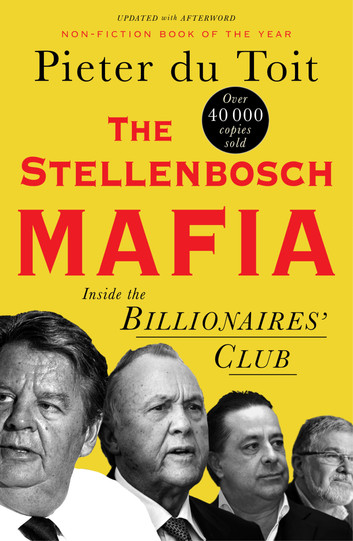
Some of South Africa's wealthiest individuals live in Stellenbosch: all male, all Afrikaans - and all mega-wealthy. Who really are the members of this 'club' of billionaires, how are they connected, and what influence do the exert on South African society? What network of boardroom membership, alliances and family connections exist? Who are the 'old guard' and who are the 'inkommers', and what about the youngsters desperate to make their mark? Does the collapse of Steinhoff indicate that there are other companies at risk of a similar fate?

Review by Annabel Klopper
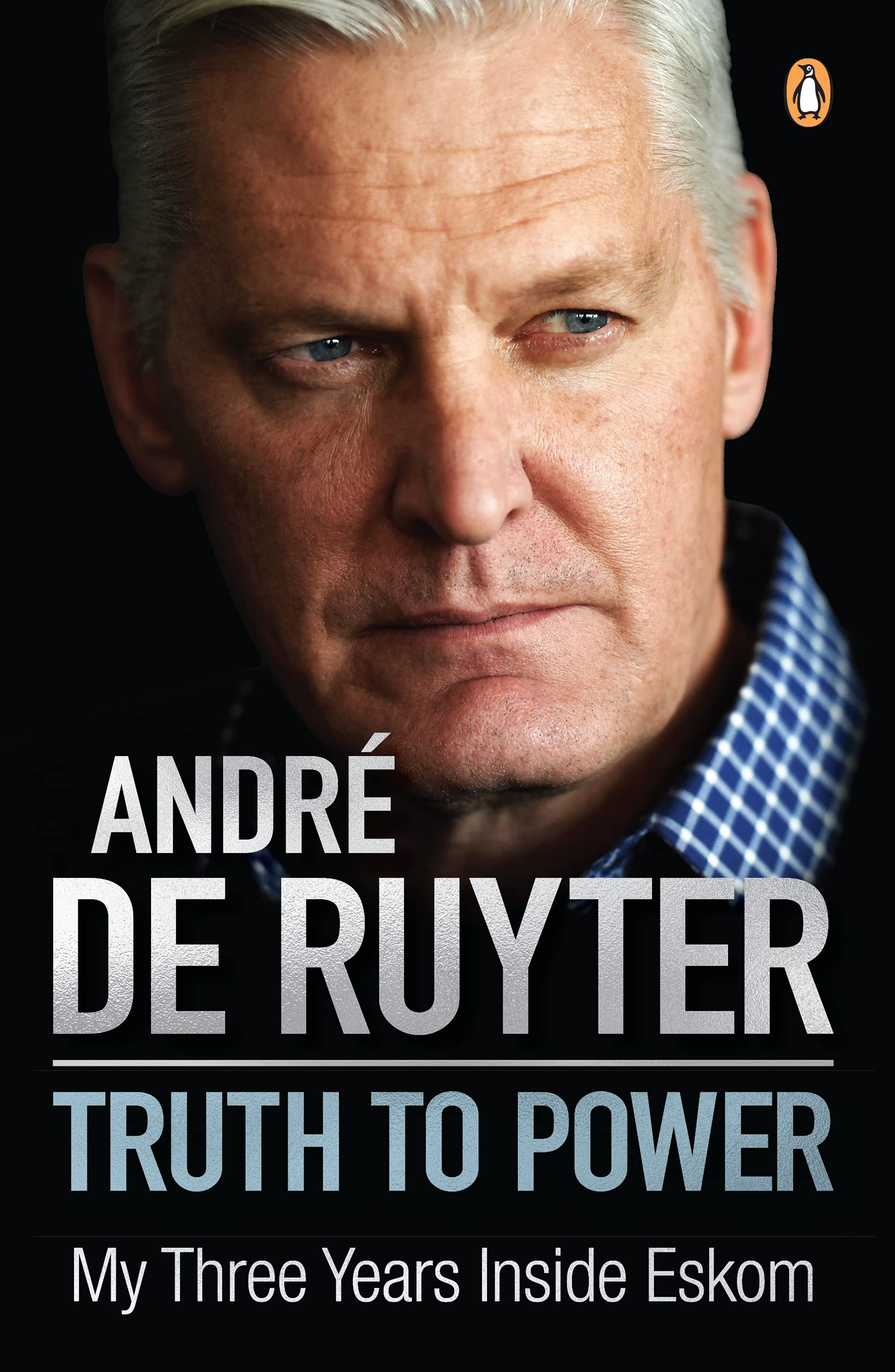
A harrowing account of De Ruyter's 3-year tenure at the helm of Eskom unfolds across 3 layers: The personal toll of leading under constant threat, the organisational challenge of saving a crumbling monopoly, and the national crisis of energy security. His tenure culminated in a near-fatal poisoning attempt, starkly remining us of the personal risks faced by ethical leaders in high-stakes jobs. De Ruyter's message for the future is inspiring: Leaders eat last. Never believe that you are untouchable as a leader, no matter the perceived status of another.
Review by Christelle Marais
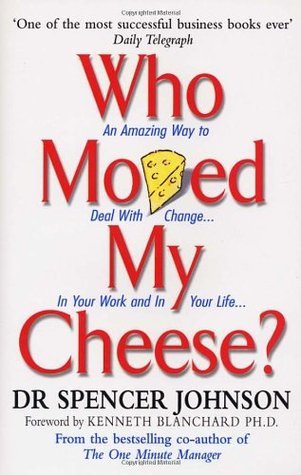
A reflection on how individuals and organisations respond to change, and why anticipating and embracing change beats denying it every time. Although written as a business fable, its lessons apply equally to pursuing a strategy, even if that strategy is to entrench corruption in organisations and society - corruption that, like Hem's cheese, is defended by those benefiting from it at all cost irrespective of the impact on organisations and society - who may be oblivious to it. 'The more important your Cheese is to you, the more you want to hold on to it.'
Review by Christelle Marais
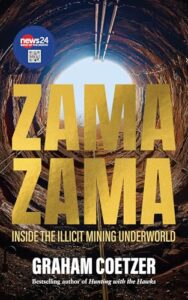
To expose the shadow economy behind South Africa's illegal gold-mining sector, this book draws on interviews with illegal miners, syndicate insiders, and law enforcement, tracing gang violence alongside a sharper warning: Illicit gold is laundered into legal supply chains through refineries, fraudulent permits, and tax fraud, with links to wider organised crime and terrorism financing. 'There is something sinister about this metal and the magnetic pull it has on some people. The money is counted in smoke-filled back rooms, and the ground still bleeds the same.'



This KWIK-series aims to start conversations amongst individuals, social groups, and in organisations. We share practical knowledge - built up over decades, and which would have helped us if we knew it earlier. We believe that people between 25 and 45, if they have access to this knowledge, are ideally placed to lead society to help rebuild South Africa.














































GOVERNANCE




RISK



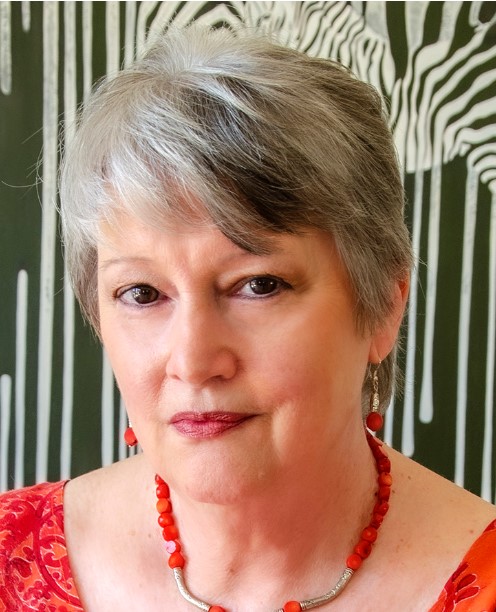
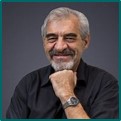
by Kay Darbourn
Founding and Honorary Life Member of the Institute of Risk Management
by Kay Darbourn
Founding and Honorary Life Member of the Institute of Risk Management








ETHICS

COMPLIANCE


SUSTAINABILITY